

What People Get Wrong About Paranormal Fiction
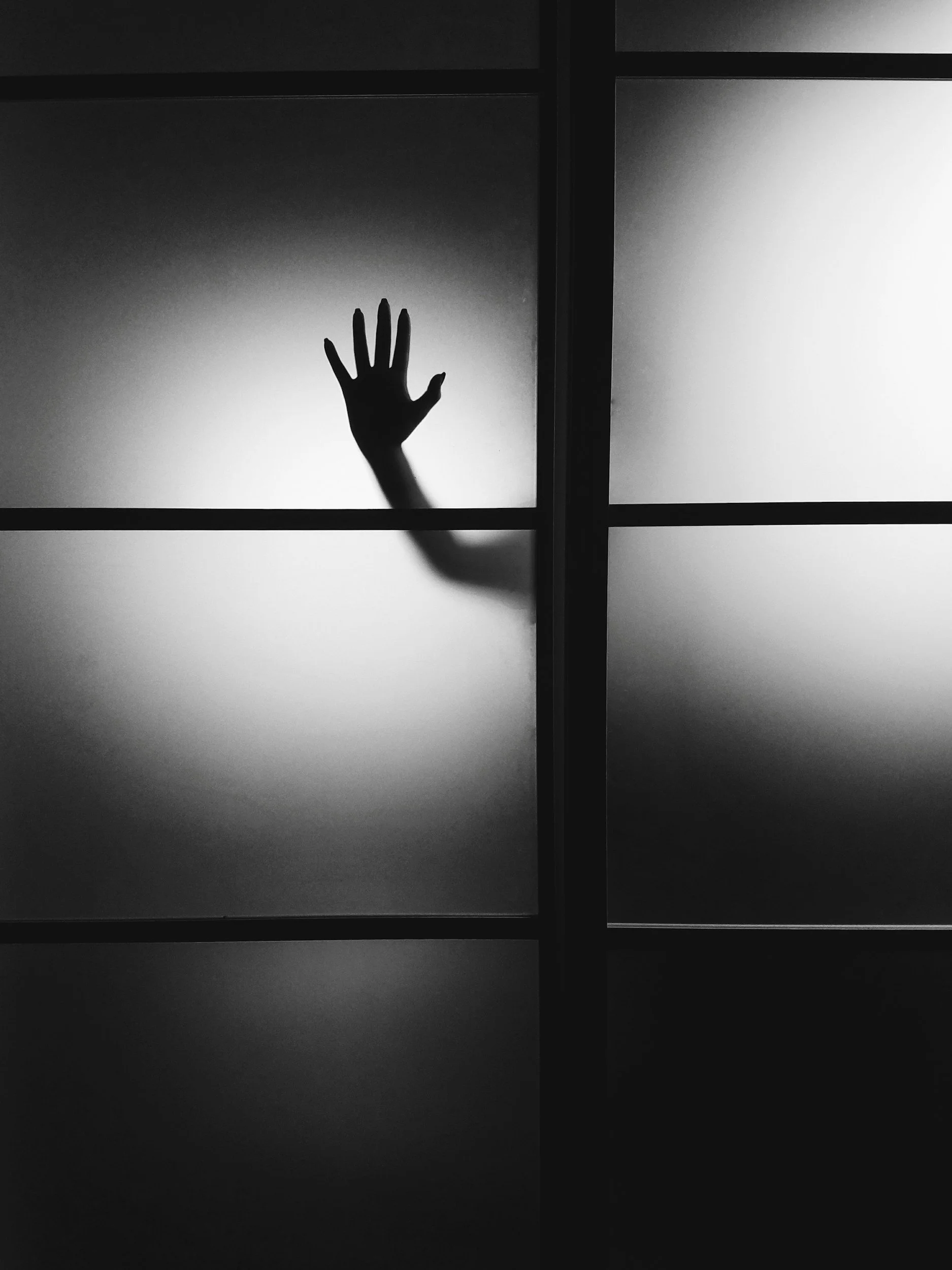
Paranormal fiction tends to get dismissed in one of two ways. It’s either treated as escapism…something spooky and unserious…or it’s lumped in with spectacle, where the supernatural exists mostly to shock, arouse, or entertain.
Neither reading is particularly accurate.
At its best, paranormal fiction isn’t really about ghosts, monsters, or unexplained phenomena. It’s about what happens when certainty breaks down. It’s about how people behave when the rules they rely on stop holding.
That’s not escapism. That’s confrontation.
One of the more persistent misconceptions is that paranormal stories are primarily about belief…whether the supernatural is “real” or not. In practice, the genre is much more interested in response. What matters isn’t whether something impossible exists, but how people react once it does.
Do they deny it? Rationalize it? Exploit it? Ignore it until they can’t?
Those reactions tend to reveal far more about human nature than a neatly explained mystery ever could.
Another misunderstanding is the idea that paranormal fiction is inherently chaotic or unstructured. In reality, it often relies on an unusually strong internal logic. The world may be strange, but it has rules…and the tension comes from watching characters navigate those rules without full information.
In that sense, paranormal fiction has more in common with noir than fantasy. Both genres are interested in ambiguity. Both assume that institutions lie, appearances deceive, and truth is rarely handed over cleanly. And both tend to resist tidy resolutions.
That resistance makes some readers uncomfortable.
We’ve become used to stories that explain themselves…that signal their meaning clearly and wrap things up with a sense of moral closure. Paranormal fiction often refuses to do that. It leaves space. It leaves questions open. It trusts the reader to sit with uncertainty instead of resolving it immediately.
That trust is sometimes mistaken for confusion or indulgence. It isn’t.
It’s an acknowledgment that the world itself doesn’t explain everything. And pretending otherwise can feel dishonest.
Paranormal fiction also gets underestimated because it doesn’t always announce its themes loudly. Power, secrecy, belief, control…these ideas tend to live beneath the surface. They show up in systems, in rituals, in what’s hidden rather than what’s said outright.
Which, again, is closer to real life than we often like to admit.
When people say they don’t read paranormal fiction, what they often mean is that they don’t enjoy stories that rely on spectacle alone. That’s a fair objection. But it’s not an indictment of the genre…it’s a critique of shallow execution.
Like any form of storytelling, paranormal fiction can be lazy or thoughtful, hollow or precise. The difference isn’t the presence of the supernatural. It’s whether the story understands what it’s actually interested in.
For me, that interest has never been about proving anything exists beyond the ordinary. It’s about what happens when the ordinary stops being enough to explain what’s going on — and how people respond when they realize that.
That’s where the story starts.
To read my other blogs click here.
I go deeper on this — and why I’m comfortable leaving questions unanswered — in the newsletter. Subscribe to receive special insights and invitations to events every Sunday below!
